Column · @archerfence-installeromqp701
How Fence Firms Take Care Of Post-Installation Clean-up
A fence project seldom feels "done" the moment the last panel clicks right into location. The real tell of a significant fence company is what occurs after the teams leave and the driveway quiets down. That post-installation cleaning is where sloppy work ends up being visible, where customer trust fund is made, and where small information avoid large troubles later.
I have actually watched fencing business do it both methods. The distinction is evident. One crew deals with cleanup like an afterthought and leaves behind a trail of bent equipment, scattered crushed rock, and sloppy footprints that appear in the initial rainfall. The much better fencing contractors deal with clean-up as part of the work, the same way the layout and gate placement are part of the job.
Below is just how specialist fencing contractors, and of course, even the very best fence contractors and fencing company teams, usually manage cleanup once setup coatings. I'll likewise cover what cleaning should consist of, what can go wrong, and what you must ask for prior to the crew leaves.
Cleanup starts long prior to the last message is set
Most people assume cleaning starts at the end. In method, it starts earlier, since the team's habits identify what they need to tidy up later.
When a team is established appropriately, they plan for mess. They present products off the work path to prevent dragging debris across completed locations. They secure yards and landscape design if the work site has anything to conserve besides dirt. They take care of device usage so they aren't boning up concrete or striking stone where it will later on call for major picking and patching.
Even the way openings are dug affects cleanup. If the staff uses proper approaches for the soil, they do not end up with a crater of loose backfill that requires re-grading. If they're respectful with topsoil elimination, they aren't blending tidy soil with clay and rock that will never ever work out right.
A solid fencing company doesn't just clean after. It builds cleaning right into the work.
What "post-installation cleanup" actually means
Cleanup is more than sweeping. It's restoring the site to a safe, functional problem and protecting against the kinds of issues that come back as complaints.
For fencing jobs, the common cleanup groups fall into a couple of containers:
- Debris removal: timber scraps, cable offcuts, metal shavings, fastener bags, cling wrap, and anything left in the grass or along the fence line.
- Site grading and smoothing: loose soil and backfill that requires leveling so you do not get reduced spots that hold water.
- Driveway and hardscape restoration: avoiding streaks, chips, and tracked mud on concrete, pavers, or asphalt.
- Final assessment and repair: validating that gateway hardware isn't binding, that no panels are left loose, which landscape design isn't harmed beyond what can be reasonably fixed on the spot.
If a fence company bewares throughout setup, cleaning is quicker and much more full. If they weren't, cleanup becomes a scavenger hunt.
The particles you can not see will certainly still matter
One factor cleanup gets forgotten is since some particles mixes right into the environments. A broken staple in a yard can become a slit threat for pets. Metal offcuts near a tire can be a future frustration for trimming. Timber scraps left under mulch can hold moisture and rot, and you end up with that said "why exists a soft area below?" trouble months later.
Good fencing contractors concentrate on the visible trash, however they additionally behave like they are in charge of what a future house owner will step on or bump into.
How staffs manage the typical mess sources
Every site generates different mess, depending on fence kind, terrain, and whether you're mounting a privacy fencing, a picket fencing, a chain-link fence, or something custom.
Here's what specialist teams typically do regarding the typical clean-up sources.
Backfill and soil management
When posts are set and openings are backfilled, the crew's job is not done until the surface area looks deliberate. That implies:
- Loose dirt obtains raked and redistributed so it works out evenly.
- Topsoil is kept separate from subsoil when feasible, so the lawn or planting does not end up with the incorrect texture mix.
- Low places are remedied prior to leaving, since water pooling is the most convenient "future complaint" to stop today.
I've seen staffs leave mounds or dips since they prepared to "fix it later." Later on never comes unless you paid for regrading. A fence specialist with great cleaning methods treats backfill as component of the finish work, not as a momentary fill.
Sawdust, cutting deposit, and steel shavings
Fence products create waste that often tends to hide in turf blades or work out along the edges of concrete. An expert fencing contractor will normally accumulate larger scraps first, then do a second pass to remove fine residue.
With particular fencings, reducing residue is more than cosmetic. Steel shavings can catch on shoes. Timber dust can end up in gutters or on outdoor flooring if it's not cleared immediately. In my experience, the very best teams sweep and then visually scan the ground from multiple angles, not just one.
Concrete trickles and discoloration on hardscapes
Post-setting methods differ. Some groups utilize concrete, some use alternatives that still need stringent cleaning self-control. If concrete is involved, the distinction in between a neat job and a stained one commonly comes down to timing and technique.
If the crew cleanses while concrete is still convenient, you usually prevent long-term discolorations. If they wait until whatever dries, you might get persistent residue that only comes off with specialized tools or chemicals. And on refined or distinctive surface areas, "specialized devices" can still leave marks.
This is one factor you need to always pay attention to how the staff handles pathways, driveways, and outdoor patio sides during installation, not just after.
The equipment and operations behind excellent cleanup
Cleanup isn't just "get hold of a mop and leave." It's organized. The crew generally uses a combination of tools and a process that keeps particles from spreading.
A common technique is to clear products initially, after that move, then do a last hand-check around delicate areas. If landscaping exists, Informative post that process adjustments, because you do not desire equipment or particles to harm plants.
If you ever want to gauge whether a crew is significant, enjoy whether they have a prepare for collecting waste as they go. A crew that regularly pauses to discover where scraps can go usually ends up with sloppy cleanup.
One functional way to consider it is that an excellent fence company does not simply tidy particles, it stops "secondary mess." That implies less trips across the lawn, fewer tire tracks in damp grass, and much less particles blown into bushes.
What you ought to expect at the end of the day
By the moment the fence setup is ended up, a professional fence group need to leave you with a site that is:
- safe to walk on (no loose hardware, no sharp scraps),
- free of obvious debris along the fence line and near gateway locations,
- reasonably recovered where they dug, cut, or moved materials.
You needs to also expect a quick, functional check that the job itself is solid. Cleanup and high quality overlap. A crew that disregards cleanup typically ignores information like entrance lock placement, fastening concerns, and panel stability.
Here's a practical view of what a well-run jobsite resembles when they wrap.
A straightforward cleaning products list professionals count on
Most legitimate fencing contractors are not thinking. They show up with devices that make cleaning effective. Depending upon the task, you'll commonly see things like:
- brooms and stiff brushes for ground and fencing borders
- wheelbarrows or containers for gathered debris
- rakes and hand shovels for leveling backfill
- magnets or devoted devices for metal pick-up (especially on gusty days)
- heavy-duty trash can for covering and fastener product packaging
If the staff lacks standard cleanup devices, you can normally anticipate the end result. Cleanup comes to be slow, insufficient, and messy, and you end up doing the final pass yourself.
Yard reconstruction: the part home owners really feel immediately
Even when a team does whatever "right," lawn repair can still be incomplete because landscapes differ. However professionalism and reliability turns up in just how they manage the challenging moments.
If yard exists, the cleaning needs to regard it
A staff that rips via turf or leaves bare patches is not immediately "negative," since fence messages require some disturbance. The difference remains in exactly how they restore around that disturbance.
Good fencing company teams concentrate on:
- cleaning particles before mowing or watering,
- keeping loosened dirt from drying right into a clumpy mess,
- ensuring the fencing line doesn't trap particles versus grass.
If your lawn has lawn sprinklers, a careful team additionally checks for damages and makes sure lawn sprinkler heads aren't knocked off alignment. Clean-up that neglects lawn sprinkler danger is a cleanup failure.
If plants or mulch exist, the clean-up is more delicate
Mulch and landscape design materials keep debris. A sloppy cleanup indicates small timber fragments or cable offcuts wind up ingrained in compost, which is hard to get rid of without digging.
When landscaping issues, cleanup normally looks like hand pick-up around beds, mindful raking, and a final aesthetic check along the fencing line. The most effective crews treat this as component of the finish, not optional additional work.
Wind and weather change the cleanup job
Wind can lug light-weight scraps. It also impacts dust and can redistribute particles along the residential or commercial property line, making it resemble debris appeared after the team left.
Weather matters for timing. Rainfall can make backfill uneven. Mud can track onto outdoor patios and garages. Specialists react with either pacing or targeted cleanup.
A bold fact: if the team routines cleaning terribly for the weather condition, they leave you the mess. An excellent fencing professional changes and still ends up clean.
Metal fencings and chain-link: cleaning is where the "gotchas" live
For chain-link setups and several steel fencings, cleanup needs added focus due to the fact that small scraps and sharp sides hide even more quickly than timber debris.
A major fencing contractor will commonly:
- pick up any cut cable segments promptly,
- confirm that no cord ends protrude near the ground,
- handle metal residue with tools as opposed to "wishing no matter."
If you have children or pets, this is non-negotiable. I'm not suggesting you end up being paranoid. I am claiming you need to anticipate the crew to be complete around fencing bases, gateway locations, and any type of location people walk.
Gate areas and latch areas: where cleaning and feature meet
Cleanup is not almost the ground. It includes just how entrance hardware does and whether the area around eviction is clear.
Gate cleaning can consist of:
- removing packaging or plastic ties that can interfere with procedure,
- clearing building particles from the path so the gate swings easily,
- checking that latch points are not obstructed by loose soil.
A gate that functions when the staff is present but drags later on often comes down to dirt settling or remaining debris. Professional fence companies lower that threat by clearing eviction path and examining activity at the end.
Common clean-up blunders I have actually seen (and why they occur)
Cleanup failings tend to repeat throughout work websites. They commonly originate from a predictable collection of causes: hurried team pacing, lack of a final move, and vague duty in between the house owner and the installer.
Here are constant concerns, phrased as what you may notice:
1) A line of particles left along the fencing boundary, particularly near edges where cuts take place most often.
2) Nails, staples, or little bolts tucked into lawn or mulch. 3) Unequal backfill that creates shallow puddles after the initial rain. 4) Tracked mud on driveways that dries out and comes to be harder to remove. 5) A "looks fine from the street" mindset, where the crew does not examine behind gateways or along property edges.The pattern is straightforward. If a staff does not deal with clean-up as component of their work, you end up paying with your time and, often, with equipment or landscaping repairs.
Questions to ask before the team leaves
If you wish to safeguard yourself without being a permanent site supervisor, ask a couple of direct inquiries. They signal what matters, and they assist you avoid "it had not been included" debates later.
You can keep it basic and practical. For example:
- Will you remove all construction debris from the website, including metal and fastener scraps?
- Will you sweep and rake the fence line and gate path?
- How do you manage backfill leveling around posts?
- If the task touches a driveway or sidewalk, just how will certainly you clean hardscape surfaces?
- Will you do a last walkthrough for gateway operation and noticeable website condition?
A fence specialist who does solid cleanup will answer plainly and without defensiveness. Someone who rushes will certainly provide obscure solutions or change obligation to you.
The last walkthrough: what experts check on site
At the end, a fence company that cares will certainly do a last check. That does not suggest they check out off a manuscript. It indicates they search for concerns you will certainly observe when you begin coping with the fence.
Here's a short punch listing of what that final walkthrough usually consists of:
- sweep and hand-check around the fencing line and gate course for scraps
- confirm backfill is level and not producing obvious reduced areas
- verify entrance procedure, lock placement, and clearance without massaging
- check that no bolts or sharp ends are left subjected near stroll locations
If you exist, it's worth doing a slow walk with the crew. Check out the ground, then consider the fencing. After that recall at the ground once more. That 2nd pass is where concealed particles generally reveals up.
What cleanup appears like for various fencing types
Cleanup is not one-size-fits-all. The fence type drives the mess, and the clean-up approach adjusts.
Wood fences commonly entail much more small items and sawdust-like deposit, plus fasteners that can come under lawn. Steel fences involve sharp offcuts and deposit that needs pickup. Chain-link can leave wire ends and twisted debris, specifically around corners and stress points.
Privacy panels can involve larger product handling, which enhances the opportunity of tracked particles throughout grass if hosting is badly taken care of. Picket fences can hide offcuts between slats or behind the base line.
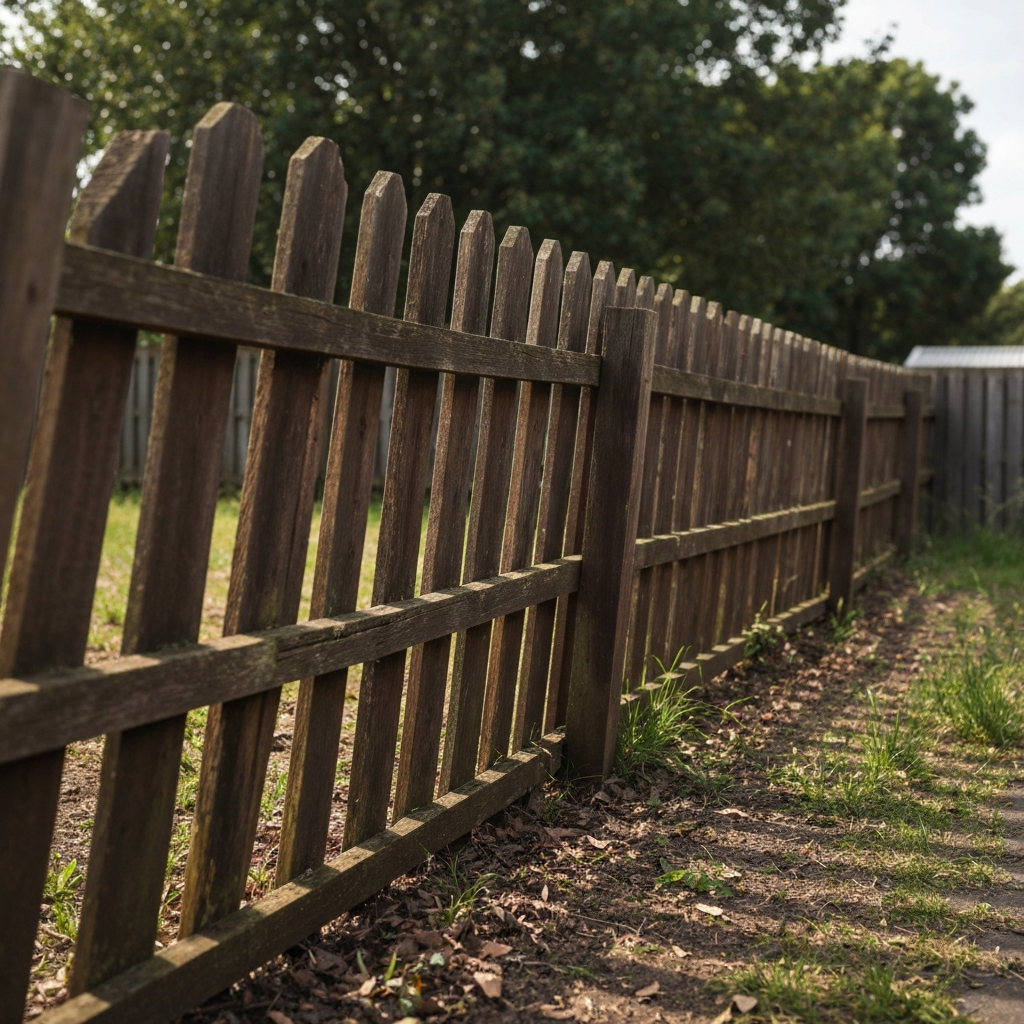
A reputable fencing contractor accounts for these distinctions. You can inform when they do because their cleaning tackles a technique, not randomness.
When cleanup isn't included, get it in writing
Most fencing jobs include practical cleaning, yet details matter. Extent can vary based upon agreement terms, fence complexity, and just how much repair is expected.
If your home requires special delivery, such as recovering a specific grass area, repairing landscape design disturbed beyond typical article placement, or cleansing a big hardscape surface, those expectations should be explicit.
A fence company may do the work however treat it as "sensible" as opposed to "required." Your finest protection is clearness on what counts as cleaning and what counts as extra restoration.
If you've got a lot purchased landscaping, do not think "they'll most likely tidy it up." Ask, confirm, and document.
The useful fact: some cleanup takes a 2nd day
Even with exceptional staffs, cleanup sometimes proceeds the next day. Why? Because settling and climate expose issues.
Concrete and backfill can change somewhat after installment. Turf can reveal tracks once it dries out or if the team set up in damp problems. Little scraps can turn up after a wind event or after a yard clean-up discloses what was tucked under the edge of bedding.
This is where expertise matters. A great fencing contractor doesn't vanish after the last trademark. They might not be legally obligated to take care of every little thing past the agreement, however they generally manage practical touchups and react promptly if something is clearly related to the installation.
If you notice concerns, record them with images and describe what you observed. After that request a resolution. Tidy task websites clean communication possible.
Why post-installation clean-up is a top quality signal
Cleanup is not glamorous. It's not something you photograph like a brand-new gateway. But clean-up informs you whether the staff is accountable.
A fencing company that cleans well usually has better site behaviors: mindful staging, controlled cutting, focus to edges, and a last self-control that stops tiny mistakes from coming to be big ones. It likewise suggests they comprehend client experience, not simply installation.
If a company is positive in their job, they must have no worry showing that confidence with the condition they leave behind.
Your following steps if you're hiring a fencing company
If you're assessing professionals, you can learn a lot without overthinking. Ask just how they prepare to keep your website tidy, validate cleaning expectations in simple language, and try to find crews that treat clean-up as a genuine stage of the job.
When the set up finishes, expect the final move, the hand-check around the ground, and the care around gates and landscaping. Those are not small information. They are the distinction between a fence that feels ended up and a fencing that develops into a continuous cleaning project.
That's the standard I would certainly desire from any fencing contractor dealing with my residential or commercial property, and it's the basic you ought to expect.